
When parents and caregivers childproof a home, they often concentrate on cabinets, stairs, electrical outlets, and furniture. Window treatments deserve the same careful attention. Traditional cords, chains, and loosely hanging components can become accessible when a child climbs onto a bed, chair, toy chest, or windowsill. Choosing child-safe curtain options in Delafield helps families reduce these concerns while maintaining the privacy, light control, softness, and style they want from custom fabric window treatments.
There is no single curtain design that works for every household. The appropriate solution depends on the window, room, furniture arrangement, child’s age, treatment style, and desired method of operation. Stationary fabric panels, cordless Roman shades, and motorized drapery systems can all be considered when creating a safer, more functional window.
Window Designs by Landy Brown provides personalized window treatment guidance for families in Delafield, Oconomowoc, Waukesha, and surrounding southeastern Wisconsin communities. Through an in-home consultation, homeowners can compare fabrics, operating systems, linings, hardware, and custom designs suited to their rooms.
Why Curtain Safety Deserves Special Attention
Young children explore by touching, pulling, climbing, and reaching. A cord that seems insignificant to an adult may attract a child because it hangs, moves, or resembles a toy. Even when a control appears high enough, nearby furniture may provide a way to reach it.
Furniture placement can change over time. A nursery may later become a toddler’s bedroom, or a toy chest may be moved beneath a window. A chair used by an adult may become a climbing opportunity for a curious child. Window treatment planning should therefore consider not only the room’s present arrangement but also how it may evolve.
A safer approach removes accessible operating cords and avoids unnecessary loose components. Motorized systems, cordless fabric shades, and stationary curtain panels can all reduce reliance on traditional corded operation.
Parents should evaluate every room where children spend time, including spaces that are not specifically designed for them. Child-safe curtain options in Delafield may be appropriate for bedrooms, nurseries, playrooms, living rooms, dining areas, home offices, and guest rooms used by visiting family members.
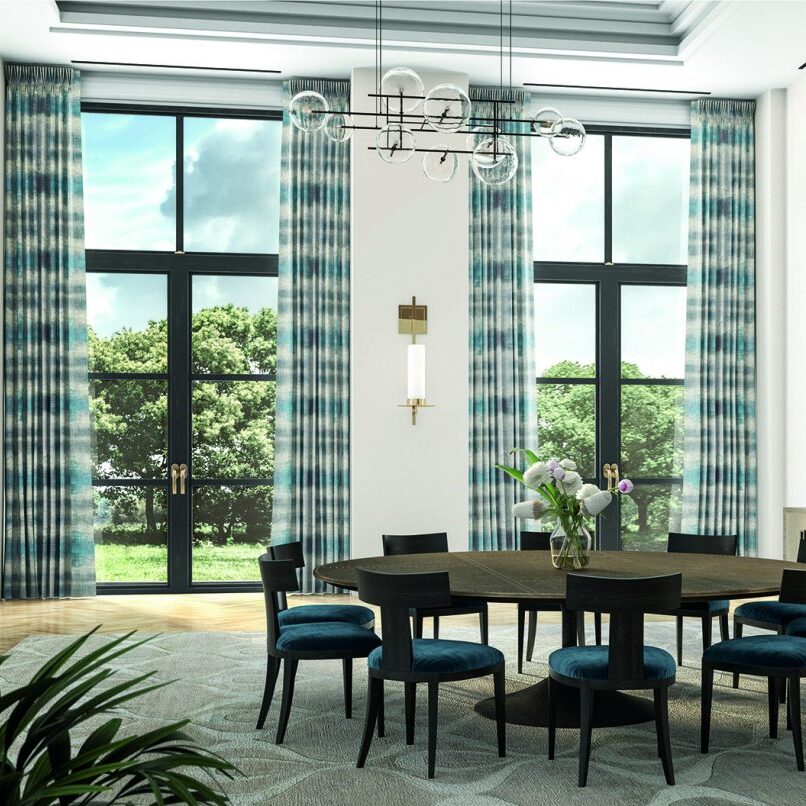
What Makes a Curtain Option More Child-Conscious?
A child-conscious window treatment is designed and installed to reduce accessible cords, loops, chains, and other operating components that could present an avoidable concern. The treatment should also be mounted securely, function properly, and fit the opening.
Stationary panels are one possibility because they frame the window without needing to be pulled open and closed. A separate cordless shade can provide the adjustable privacy and light control behind them. This approach gives homeowners the softness of fabric panels while keeping daily operation simple.
Motorized draperies offer another option. Instead of moving the panels using a pull cord, the homeowner operates the treatment through an available remote control, wall control, app, or compatible system. Product capabilities vary, so families should discuss the available controls during a consultation.
Cordless Roman shades provide fitted fabric coverage without a traditional hanging lift cord. Some models operate by gently moving the bottom of the shade, while others can be motorized.
The best child-safe curtain options in Delafield combine thoughtful design, appropriate operation, secure hardware, and responsible furniture placement rather than relying on a single feature.
Understanding Curtains, Draperies, and Fabric Shades
The terms curtains and draperies are often used interchangeably, but custom fabric treatments can differ significantly in construction and function.
Custom drapery panels are typically fabricated to specific dimensions and may include linings, structured headings, pleats, rings, or other specialized details. They can remain stationary beside the window or travel across it for privacy and light control.
Fabric shades fit more closely to the window. Roman shades, for example, lower across the glass and form folds as they are raised. They offer the softness and color of fabric while occupying less wall space than full-length panels.
A layered treatment can combine stationary panels with a cordless blind, shade, or shutter. The underlying treatment handles everyday light and privacy control, while the fabric panels add softness and visual framing.
Each configuration presents different decisions involving fabric weight, hardware, operating method, mounting location, and maintenance. A professional designer can help families understand which approach is most appropriate for the window instead of assuming that every soft treatment operates in the same way.
Stationary Fabric Panels
Stationary panels remain in a fixed position beside the window. Because they are not opened and closed for daily coverage, they do not require a traversing cord or chain.
This design can be an attractive solution when a cordless blind, shade, or shutter already provides privacy and light control. The panels frame the window, introduce color and texture, and help the opening feel more complete without creating an additional treatment that children or adults must operate.
The panels should still be planned carefully. Their width, length, mounting height, and position affect how much glass remains visible. If they are too wide, they may block natural light or interfere with the underlying treatment. If they are too narrow, they may appear out of proportion with the window.
Fabric length is another consideration. Panels that extend significantly across the floor can be easier for young children to grab or step on. In active family spaces, homeowners may prefer a tailored length that meets or clears the floor appropriately.
Stationary panels are among the most versatile child-safe curtain options in Delafield because they provide the appearance of custom fabric without requiring a corded operating system.
Cordless Roman Shades
Roman shades provide fabric coverage within or just outside the window opening. When lowered, the material covers the glass. When raised, it forms a series of folds near the top.
Cordless Roman shades can be adjusted without a traditional hanging pull cord. Depending on the selected product, the homeowner may operate the shade manually from the bottom or through a motorized system.
The style can work well in nurseries, children’s bedrooms, playrooms, and family living areas. Families can choose from a variety of fabrics and linings to achieve the desired balance of natural light, privacy, and room darkening.
Precise measurement is especially important. An inside-mounted Roman shade must fit within the available window depth and move without catching. An outside-mounted treatment requires enough coverage to provide the intended privacy and light control.
Fabric selection also affects performance. A material that works beautifully as stationary drapery may not be appropriate for a Roman shade because the shade must fold and unfold repeatedly. The weight, stiffness, pattern, and construction all need to suit the operating system.
For families who want full fabric coverage in a compact design, cordless Roman shades can be valuable child-safe curtain options in Delafield.
Motorized Drapery Systems
Motorization allows functional drapery panels to open and close without a traditional pull cord. The panels travel along a compatible motorized track and are adjusted through an available remote, wall control, mobile app, or supported smart-home system.
This solution is particularly helpful for wide windows, sliding glass doors, and treatments that are difficult to move by hand. It can also be convenient when furniture makes it difficult for an adult to reach the leading edge of the panels.
Some systems may allow multiple treatments to operate together or move according to a schedule. Homeowners could open selected treatments in the morning and close them in the evening without handling each panel individually. Specific features depend on the chosen system.
Motorized operation must be planned early in the design process. The designer needs to consider the treatment’s dimensions and weight, the track, available controls, mounting conditions, power source, and room layout.
The fabric and heading style must also be compatible with the motorized hardware. By coordinating these components, Window Designs by Landy Brown can help homeowners explore motorized child-safe curtain options in Delafield that provide convenient daily privacy and light control.
Layering Fabric Panels With Cordless Treatments
Layering combines the softness of custom fabric with the adjustable performance of a blind, shade, or shutter. It can be an excellent approach when the homeowner wants curtains but prefers not to move fabric panels across the window each day.
Stationary panels may frame a cordless cellular shade, roller shade, blind, Roman shade, or interior shutter. The underlying treatment provides light control and privacy, while the panels add color, pattern, or texture.
The two products must be designed to operate independently. Drapery hardware needs enough projection to clear the blind, shade, or shutter. The panels should not block a shutter from opening or interfere with a shade’s movement.
Colors and materials should appear coordinated but do not need to match exactly. A textured neutral shade can balance patterned panels, while simple fabric can soften the structured lines of blinds or shutters.
Layered child-safe curtain options in Delafield give families flexibility because each window treatment component has a clear role. The cordless product handles regular adjustment, and the fabric panels contribute softness without adding a separate corded control.
Choosing Appropriate Hardware
Curtain hardware must support the treatment securely and suit its design. Rods, tracks, brackets, rings, finials, and mounting components should be selected according to the treatment’s width, weight, and operating method.
Heavy lined panels require different support from lightweight stationary fabric. Wide windows may need additional brackets or a specialized track to prevent sagging. Motorized draperies require compatible components designed for powered operation.
Hardware placement affects both appearance and function. Mounting a rod higher can make a window appear taller, while extending it beyond the trim creates space for panels to frame the glass. However, every installation must account for the actual wall construction and available mounting surface.
Decorative hardware should not include easily detachable components within a child’s reach. Finials and other visible pieces should be attached according to the manufacturer’s directions. The entire system should remain stable during normal household use.
When comparing child-safe curtain options in Delafield, families should evaluate the hardware with the same care as the fabric. Professional installation helps ensure that the selected components are appropriate for the treatment and secured correctly.
Planning Curtain Length in a Family Home
Curtain length strongly affects both appearance and practicality. Floor-length panels create an elegant, finished look, but the precise endpoint should reflect how the room is used.
Panels can stop slightly above the floor, meet it cleanly, or extend beyond it. Extra fabric resting on the floor can produce a relaxed appearance, but it may not be the best choice in a nursery, playroom, or high-traffic family space. Children may step on, pull, or hide behind fabric that gathers extensively on the floor.
A tailored length is often easier to maintain in active rooms. The panels can still look substantial and properly proportioned without leaving unnecessary material where children and pets move.
The floor should be measured at multiple points because it may not be perfectly level. This is especially important in older homes. The finished treatment should appear balanced across its full width.
Nearby vents, baseboards, furniture, and doorways may also influence length. A professional designer can help homeowners choose a proportion that suits both the window and the family’s routine.
Window Treatment Safety in Nurseries
A nursery is one of the first rooms parents evaluate when considering cord-free window treatments. The treatment must provide appropriate light control for naps and bedtime while remaining practical for adults to operate.
Cribs should be positioned thoughtfully in relation to windows and treatments. Parents should consider what the child may be able to reach after learning to stand and climb. A layout that seems appropriate for a newborn may need to change as the child grows.
Room-darkening materials can reduce sunlight during daytime naps and limit the effect of exterior lighting at night. However, room darkening does not necessarily mean complete darkness. Light may still enter around the edges of a treatment, depending on its style and mounting method.
Motorized Roman shades, cordless fabric shades, and stationary panels layered over a cordless treatment can all be considered. The right solution depends on the window dimensions, desired opacity, available mounting space, and room arrangement.
Custom child-safe curtain options in Delafield allow these details to be addressed together instead of requiring parents to adapt a standard-size product to the nursery.
Curtains for Children’s Bedrooms
As children grow, they begin using their rooms independently. They may adjust the window treatment in the morning, during play, or at bedtime. The operating method should therefore be straightforward and free of exposed pull cords.
Privacy is often an important concern, especially for bedrooms facing a street, neighboring property, or shared outdoor area. A cordless shade can provide consistent coverage, while stationary fabric panels frame the window. Motorized draperies may be suitable when full fabric closure is preferred.
Light control needs vary by child. Some children sleep more comfortably in a darker room, while others prefer some natural light. Fabric opacity, lining, treatment style, and mounting method all influence the result.
Families should also consider how the room may change. A toddler bed might later be replaced with a larger bed, or a desk could be placed near the window. Selecting a versatile treatment and planning for future furniture arrangements can extend the usefulness of the design.
Neutral fabrics can provide longevity as wall colors and room themes evolve. Patterned panels can also work well when their scale and palette remain flexible enough to coordinate with future updates.
Playrooms and Shared Family Spaces
Playrooms are active spaces where furniture and toys may move frequently. A toy chest that begins on one wall may eventually be placed beneath a window, giving a child greater access to the treatment.
Stationary panels can introduce color or pattern without requiring an operating control. A cordless blind, shade, or shutter can provide everyday light management. Motorization may be useful for high windows or treatments located behind storage furniture.
Fabric choice should reflect the level of activity in the room. Families may prefer durable materials and tailored lengths that are easier to maintain. Panels should not obstruct walking paths or areas where children play.
Living rooms, dining areas, and home offices should also be evaluated. Children do not remain only in their bedrooms and playrooms. Any shared area can become a place where toys, chairs, or other climbable objects are placed near a window.
Using child-safe curtain options in Delafield across the home creates greater consistency and reduces the likelihood that an older corded treatment will be overlooked in a frequently used room.
Considering Pets Along With Children
Cordless window treatments may also be beneficial in homes with pets. Cats can be attracted to moving cords or fabric, while dogs may brush against panels near a window or glass door.
The treatment should be selected based on the animal’s habits. A pet that frequently watches through a low window may push against a Roman shade or stationary panel. In this situation, a shutter or blind beneath the fabric panels may provide more appropriate adjustable access to the view.
Curtain length should also be considered. Fabric that gathers on the floor may collect pet hair or become a place for an animal to lie, hide, or play. A tailored length may be more practical.
Motorized treatments should be operated while the area is clear, and homeowners should follow all manufacturer instructions. Families should observe how pets respond to moving treatments when the system is first introduced.
No fabric treatment is immune to damage from a determined child or pet, but thoughtful material, length, hardware, and placement decisions can improve everyday function.
Selecting Fabric for a Child-Conscious Room
Fabric selection affects appearance, performance, maintenance, and the way the treatment hangs. Color and pattern are important, but they are only part of the decision.
A fabric used for drapery needs to form attractive folds. A material used for a Roman shade must fold and unfold predictably. Some fabrics are better suited to stationary panels than frequently operated treatments.
Pattern scale should relate to the window and room. A large pattern can create a dramatic effect across full-length panels, while a smaller motif may be appropriate for a compact opening. The placement of the pattern should be considered across multiple panels or adjacent windows.
Families may prefer versatile colors that continue to work as a child’s room changes. A neutral base can coordinate with evolving wall colors, while a restrained pattern can add personality without defining the room too narrowly.
Physical samples should be viewed vertically and in the room’s actual lighting. Sunlight, interior bulbs, wall colors, flooring, and nearby finishes can all change how the material appears.
Personalized fabric selection helps child-safe curtain options in Delafield feel like an intentional part of the home rather than a purely practical addition.
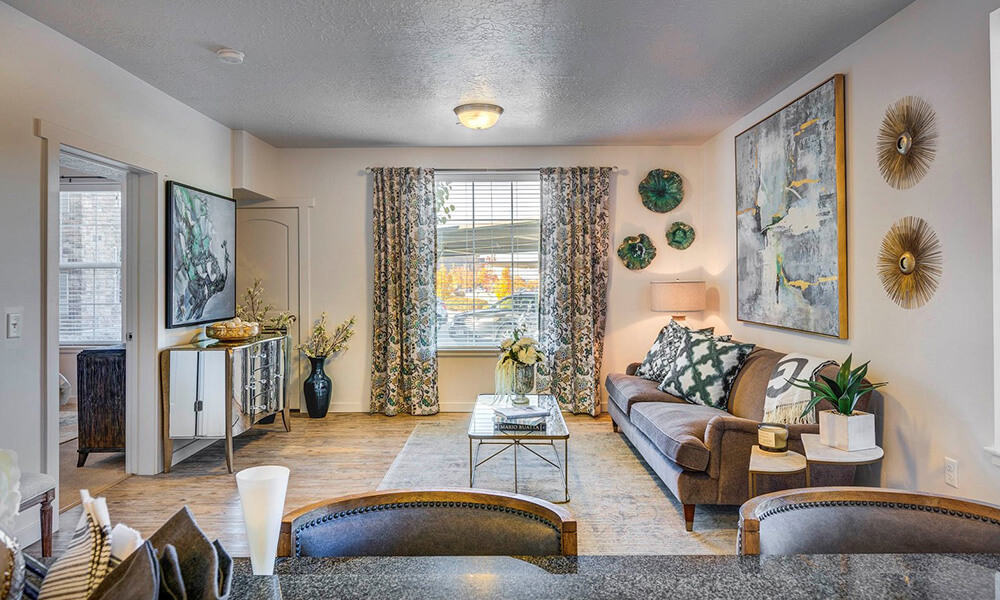
Linings and Light Control
Lining adds body to drapery, helps create more consistent folds, and can improve privacy. It also affects the amount of light passing through the treatment.
Standard lining can give a fabric treatment a more finished appearance from both inside and outside the home. Room-darkening lining reduces more incoming light and may be useful in nurseries and bedrooms.
Homeowners should understand that room-darkening materials do not always create total darkness. Light can enter around the top, sides, or bottom of a window treatment. The amount depends on the product, mounting method, window construction, and surrounding surfaces.
Lining also increases the treatment’s weight. The hardware, brackets, and mounting method must be appropriate for the combined weight of the face fabric, lining, and heading.
Bright sunlight can affect fabric over time. While no fabric is completely immune to fading, appropriate lining and responsible operation may help protect the face material from direct exposure.
A professional designer can explain how different fabric and lining combinations are likely to perform in the specific room.
Privacy During the Day and at Night
Privacy needs can change throughout the day. A light-filtering material may obscure some views during daylight, but its performance can change after sunset when lights are turned on inside.
Bedrooms, bathrooms, and rooms facing neighboring properties may need more complete coverage. A lined Roman shade, cordless blind, shutter, or functional motorized drapery may provide stronger evening privacy.
Stationary panels alone do not cover the full window. If privacy is important, they should be paired with an appropriate adjustable treatment. The combined design can provide practical coverage while preserving the softness of custom fabric.
Homeowners should consider the window from outside the home as well as from inside. An in-home consultation allows privacy needs to be discussed in relation to the property’s actual surroundings.
Delafield homes near sidewalks, neighboring residences, wooded areas, or open views may all require different solutions. The goal is to provide the desired privacy without blocking more natural light than necessary.
Why Custom Measurements Matter
Ready-made curtains are produced in predetermined widths and lengths. They may fit some windows reasonably well, but they do not account for the exact proportions, trim, ceiling height, floor level, or hardware requirements of an individual room.
Custom measurements determine the mounting height, rod or track width, finished length, panel fullness, and amount of stacking space. For Roman shades, precise width, height, and depth measurements are essential.
Walls, ceilings, and floors are not always perfectly level or square. Measuring at multiple points can reveal variations that would otherwise cause the treatment to appear uneven.
The specialist should also evaluate window handles, locks, trim, vents, furniture, and any existing blind, shade, or shutter. These details influence the amount of hardware projection and the space available for operation.
Professional measurements help ensure that child-safe curtain options in Delafield fit properly, hang at the intended length, and operate without unnecessary interference.
The Importance of Professional Installation
Custom curtains and fabric shades rely on secure, correctly positioned hardware. Brackets must support the treatment’s weight and be appropriate for the mounting surface. Tracks and rods should be level, while Roman shades must be aligned within or around the opening.
Professional installers evaluate the wall or trim, position the hardware, hang the treatment, and test its operation. Drapery panels can be adjusted so the folds and hems settle properly. Roman shades can be checked for smooth, even movement.
Motorized treatments may require additional setup. Remotes, available controls, groups, or schedules may need to be configured according to the selected system. Homeowners should receive guidance on operation and care.
Installation is also an opportunity to review the area around the treatment. Furniture should not obstruct movement or create avoidable access to the window. Families can ask questions about appropriate use and maintenance before the project is complete.
The coordinated measuring and installation offered by Window Designs by Landy Brown helps the selected treatment function as a complete system.
Maintaining Custom Fabric Treatments
Care requirements depend on the fabric, lining, construction, and operating system. Homeowners should always follow the instructions provided for their specific treatment.
Routine dust can often be managed with a suitable vacuum attachment used gently or another method recommended for the material. Pulling, scrubbing, or applying moisture without checking the care directions may affect the fabric, lining, or shape.
Fabric panels should be handled using their intended operating method. Motorized treatments should be adjusted through the approved controls rather than being pulled manually unless the manufacturer specifically allows it.
Roman shades should raise and lower evenly. If a treatment begins moving differently, the homeowner should avoid forcing it and request assistance when appropriate.
Families can also reduce unnecessary contact by arranging toys and furniture away from fabric panels. Good placement supports both easier maintenance and a more child-conscious room.
Local Considerations for Delafield Homes
Delafield and nearby Lake Country communities include historic homes, lake-area properties, newer construction, townhomes, and remodeled residences. Each type of property can present different window sizes, mounting conditions, light patterns, and privacy needs.
Lake-area homes may have wide windows intended to capture outdoor views. Stationary panels paired with cordless shades can add softness while preserving as much glass as possible. Homes close to neighboring properties may require stronger evening privacy.
Older residences may have distinctive trim, deep window frames, uneven floors, or nonstandard dimensions. Newer homes may feature tall ceilings and broad glass doors that benefit from custom proportions or motorized operation.
The direction of the window matters as well. Western exposures may receive strong afternoon sun, while windows shaded by mature trees may require less light control.
Window Designs by Landy Brown serves Delafield, Oconomowoc, Waukesha, Pewaukee, Hartland, Sussex, Brookfield, and surrounding southeastern Wisconsin communities. Local in-home service allows each recommendation to account for the property’s actual architecture and surroundings.
Questions to Ask During a Consultation
A design consultation gives parents and caregivers an opportunity to compare window treatment options and understand how each one will function. Helpful questions include:
- Can this treatment operate without exposed cords or chains?
- Would stationary panels work with a cordless shade or shutter?
- Is motorized drapery available for this opening?
- Is a cordless Roman shade appropriate for the window?
- How much privacy will the fabric provide at night?
- Should the treatment include a standard or room-darkening lining?
- What finished length is most practical for the room?
- How far will the treatment project from the wall?
- Will the panels interfere with furniture, vents, or doorways?
- Is the hardware suitable for the treatment’s weight?
- How should the fabric be cleaned and maintained?
- What will the treatment look like when fully open?
- How much of the glass will the panels cover?
- Can the design accommodate future furniture changes?
- What operating method will be easiest for the adults in the household?
Sharing detailed information about the room helps the designer recommend more appropriate child-safe curtain options in Delafield. Families should discuss where children play, which furniture may move, how frequently the treatment will operate, and what concerns they want the design to address.
Common Mistakes to Avoid
One mistake is assuming that moving a cord higher automatically makes a treatment suitable for a child’s room. Children grow, climb, and use furniture to reach areas that initially appear inaccessible. A cordless or motorized system offers a more intentional long-term approach.
Another mistake is focusing on fabric while overlooking hardware and operation. A beautiful material cannot compensate for an operating system that does not suit the household.
Purchasing panels before determining the proper dimensions can also create problems. Inadequate width produces flat-looking curtains, while the wrong length can be impractical or visually unbalanced.
Parents may design only for the room’s present furniture arrangement. A crib, bed, desk, toy chest, or chair may be moved during the life of the treatment. Future layouts should be considered when possible.
Finally, families should not assume that every cordless product is appropriate for every window. Size, weight, mounting depth, fabric construction, and product specifications can limit the available options. Professional guidance helps identify a suitable solution.
Schedule an In-Home Window Treatment Consultation
A child-conscious window treatment can provide softness, privacy, light management, and personalized style without relying on exposed operating cords. Stationary curtain panels, cordless Roman shades, motorized draperies, and layered treatments each offer different advantages.
Window Designs by Landy Brown provides custom design guidance, professional measurements, and installation for homeowners in Delafield, Oconomowoc, Waukesha, and surrounding communities. Every recommendation can be tailored to the window, room, furniture arrangement, preferred fabric, and desired operating method.
To explore child-safe curtain options in Delafield, call Window Designs by Landy Brown at (262) 490-1541 or email Landy@windowsbylandy.com. Schedule an in-home consultation to compare custom fabric treatments and create a solution that supports the privacy, comfort, safety-conscious operation, and appearance of your home.
No responses yet